Mine Your Memory

When you’re writing characters, it’s always good to use dialogue to create the character. You can say how they walk (if it’s part of their character), or what they look like, or provide some background, but if you infuse your character’s language with clues, you’re reader will have a better image and understanding of that character.

HOW your characters speak can tell a great deal about them. For example, is your character overly or excruciatingly polite when he speaks? Does he bark and command, or does he speak gently, in an almost-whisper. Does she use a baby voice to get what she wants, or does she plant her feet and declare her desires? Does he speak so softly that people have to lean in to hear, and thus, he gains the upper hand? Does she always start a sentence looking at her listener, and then turn away, her voice trailing off, indicating loss of interest or something more pressing on her mind?

WHAT your character says is vital. It’s not that your characters must only speak bon mots, but you should pepper their conversation with memorable lines that give an idea about that character. This is where mining your memory comes into play.

Think back to lines you’ve heard in your life: favorite sayings or unusual phrases. Things that stand out in your memory. These are the phrases your characters should speak.

My grandmother never said she was full or satisfied. Instead, she’d say, “I’ve had a flippancy-flappancy.” It was something her father used to say, and she adopted it. Now I use it. Not all the time, but then, I’m not 86 yet, either!

My step-grandfather apparently used to answer the request, “Shall we say grace,” with “Say what you please, you won’t ruin my appetite.”

My father doesn’t say, “Hey, you’re blocking the TV,” or, “I can’t see,” but rather, “You make a better door than a window.”

Then there’s my mother’s bon mots, which we all imitate when we watch TV: seeing someone in dishabille, “I’ll bet he stinks”; seeing a criminal smile when he gets away with something, “He thinks he’s so smart”; watching someone get their comeuppance, “Well, I should say so!” These Lucille-isms are classic, and say so much about my mom.

My mother-in-law gets in touch with her Irish, saying things like, “Does his nibbs want pancakes for breakfast?” or “Will you give himself this book?”

My son, when he was little and about to render a criticism, would say, “Not to be mean or anything, but…” Or, as a little guy or even as a teen, he’d play the “absolutely literal” game with me, where he would take everything I said at face value. If I said he couldn’t eat cake for lunch, he’d then ask if he could have cookies. When I said no, he’d ask if he could have ice cream. When that got a no, he’d ask if he could have pie. This would go on as long as I played along. If I wanted to end the game, I’d have to make an all-inclusive, but very specific, guideline about what he could actually eat for lunch. It should come as no surprise that he is a musician and an engineer, using both halves of his brain. But you likely already surmised that, given his methods of speech.

My daughter would create words, infinitely logical words, for what she saw: bite marks were “tooth measures,” artichoke seeds on the wind were “fur stars,” refills of drinks at the fast food restaurant were “free fills,” and fingers that were wrinkled from being in the water were “all brained up.” From these, you can get a sense of her mind as a child, and you’re likely not surprised that she is very artistic.

All of these are examples of character through speech. You’ve heard many of these in your lifetime. Take the time to sit and sift through your memory. Then write down those sayings you remember from your family, friends, characters in books or movies, or something overheard on a bus. Those are the lines that will highlight your character creation. Use them sparingly, but use them.
Art Inspires Art

cirque1

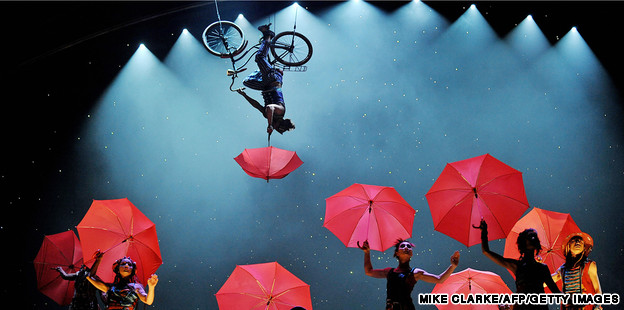
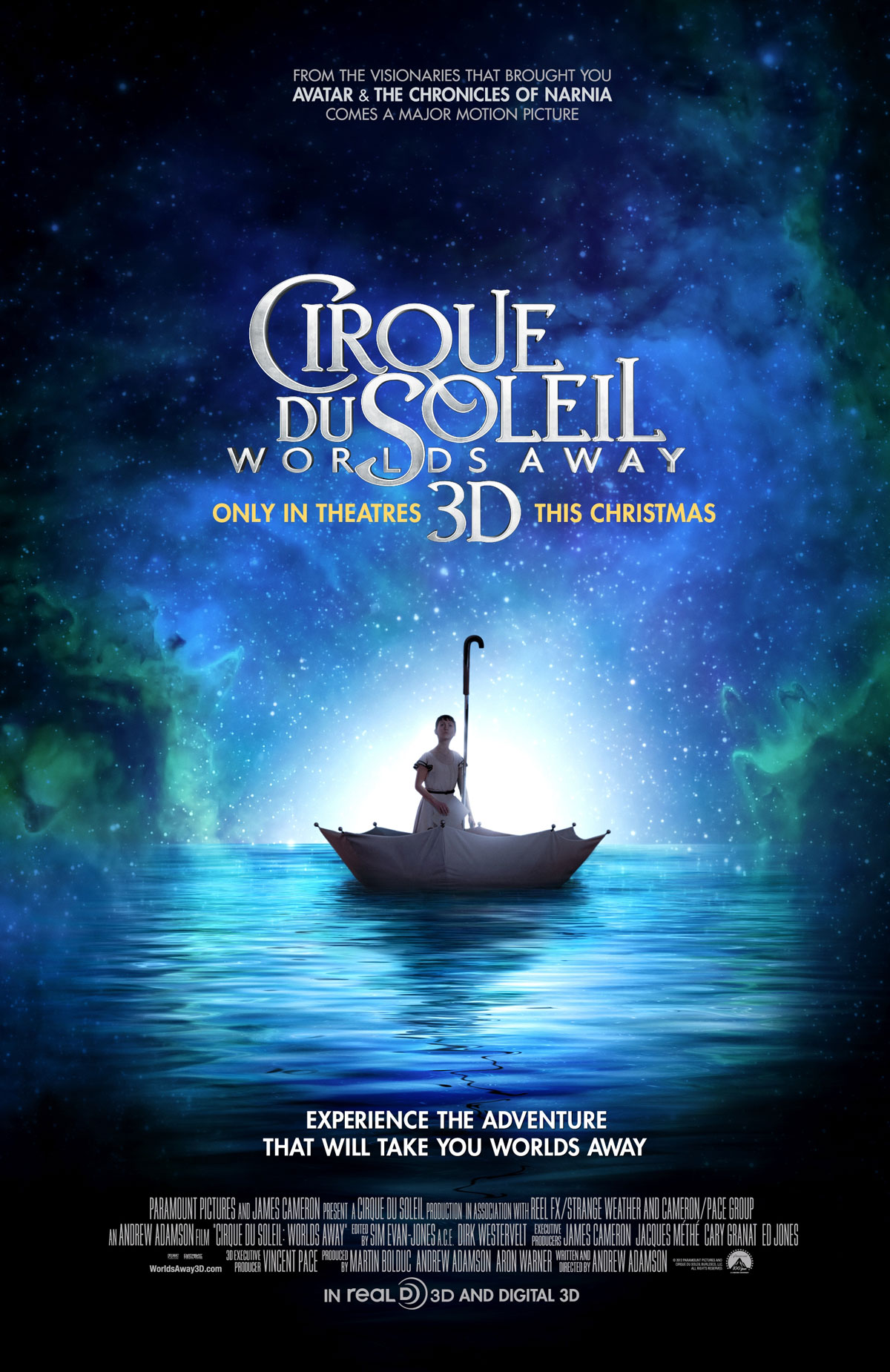
Last night, I watched “Cirque du Soleil, Worlds Apart,” a gorgeous film by James Cameron, in which scenes from the various Cirque du Soleil shows in Las Vegas are blended together in a sparse narrative, culminating in the most entrancing last thirty minutes. It was a feast for the eyes, and yet, was also a challenge to me.

Watching this, and seeing not only the performances, but trying to understand who created the images and choreography, and how they came up with the ideas…well, it all made my life seem so passionless, so hum-drum, so run-of-the-mill. Who thinks of these things? And what is it about them that makes them think outside the box (or inside the cube, as in one scene)?

cirque2

Even as I watched, I was battling with myself, chastising myself for feeling lesser-than, and challenging myself to reach for more. And then it struck me anew. That’s why it is so important for writers (and other artists) to immerse themselves in “the other.” Crime writers must read more than just crime novels. Watercolor artists must expose themselves to more than watercolors. Rock musicians must listen to more than rock music. Because, it is through exposure to other works of art that our own art can grow, expand, and continue to enchant.

cirque4

I’m sure that the artistry of Cirque du Soleil has inspired millions of artists around the world: whether physical artists, musicians, dancers, choreographers, writers, painters, what have you. They are so innovative, distorting senses and space and dimensions…challenging the viewer to reach beyond the normal and embrace the new, the unexpected, the sideways.

cirque5

I believe that it is only by challenging our daily view of life that we can grow: as humans and as artists.

When I was in grad school, and under the influence of something other than mere life, I wrote:

I think everyone in the world is exactly like I am,

And those who are different are just warped versions of the universal type,

Which is me.

Wow, I thought that was deep! What I know today is that we are indeed universal types, but ah, the differences! That is where the vision lies! It is this difference, each person’s unique way of seeing the world, of experiencing the everyday…this is what makes art!

That said, I am still simply amazed by the vision of the choreography and the artistry of the productions of Cirque du Soleil. It is, indeed, worlds apart.

Editing: A Marvelous Job!

I know I say it frequently, but I love my job!

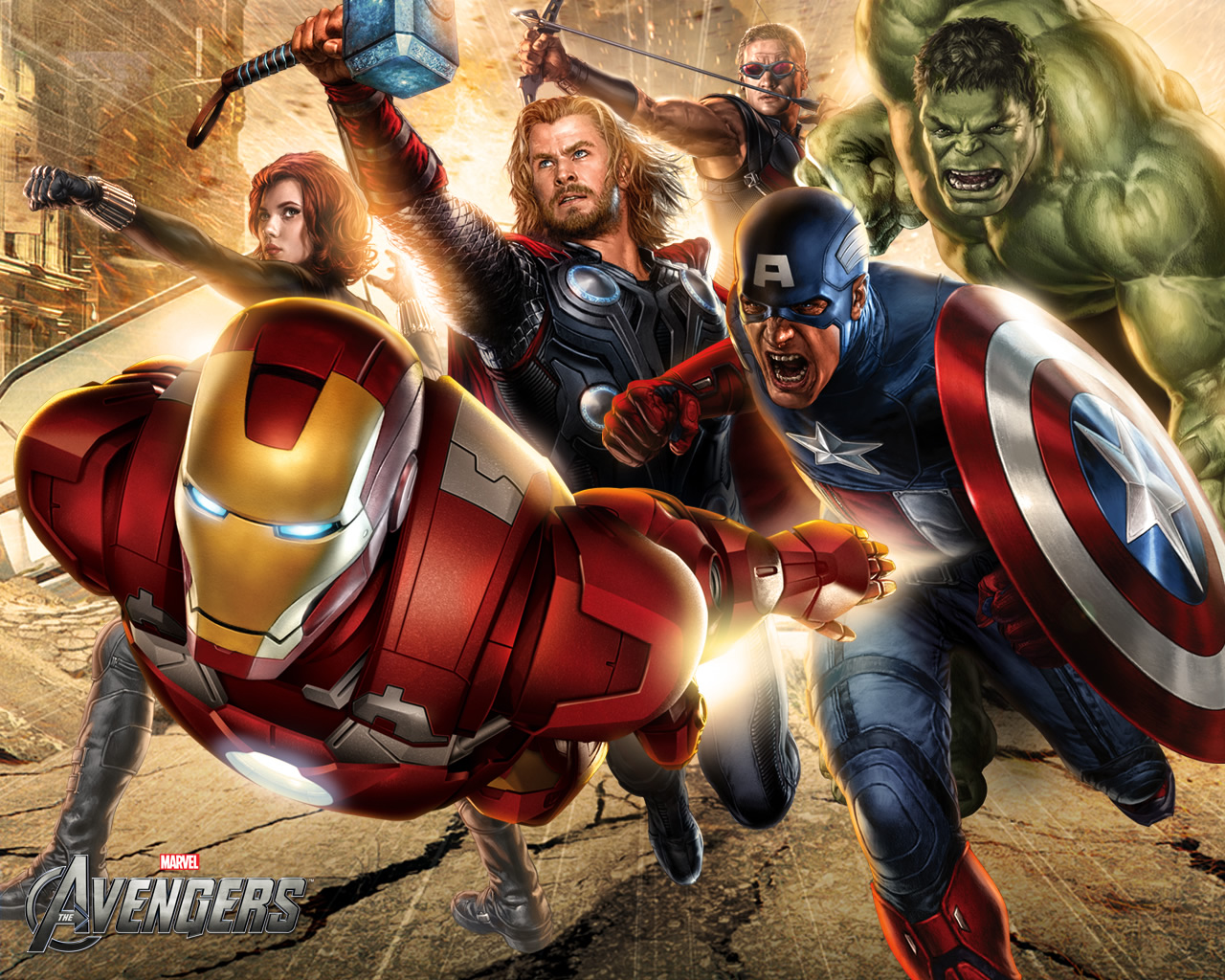
Last week, I finished editing a book about theology, American culture, and comicbook superheroes. I mean, really. If not for editing that book, I might never have encountered the thought-provoking premises within, and most likely would never have watched some of the recent Marvel superhero movies. But, in fact, I’ve just watched “The Incredible Hulk” (the first half-hour takes place in Brazil), and rewatched “Thor.” I tried to watch “Captain America” again, but just couldn’t complete it. Second-time fail. Next, I plan to watch the X-Men movies, and The Avengers, keeping in mind what I read about the transition of the superhero stories from the original Western hero ideal.

avengers

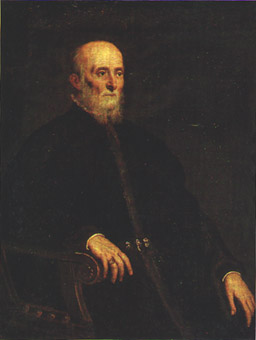
Now, I am editing a book about Luigi Cornaro, a man who died at age 84 (or 87) in 1566, after having written a treatise on achieving a long life through “sober living.” Taking the guidance of the Greek physician Galen, Cornaro recommends eating for your body type, and of concentrating on quality and quantity: high-quality food taken in small quantity amounts. Today, his diet is known as the “restrictive calorie diet,” and is touted by well-known health gurus and many others.

cornaro

But do they know that much of that philosophy is based on the work of this man from sixteenth-century Venice? I sure didn’t. Not until I began editing this book.

I have to admit, however, that my hourly wage plummets when I have an interesting book: I can’t help myself, but go off and do my own research on the topic…whether it be superheroes in comicbooks or ancient diets…or yin-yang theory…or the theory of time travel. Inquiring minds want to know…

But, no matter what my hourly wage, it’s all worth it. As I say all too frequently, I’m getting a PhD in Everythingology, and being paid to do so!

Next up, a sci-fi novel about time travel, a crime fiction book, and a dissertation about the founding of Israel post-World War One. See what I mean? Great job!

The Year in Review: 2012

QuillPenInkwell

In the past twelve months, I have edited 46 academic books and works of fiction, drafted a book on racial profiling, co-authored a children’s book, and coached three new writers. Not bad, considering I also moved to the Southern Hemisphere and turned my life, literally, upside down.

My academic editing was for several well-known academic publishers, and I edited manuscripts for several repeat clients, helping them with books that are to be published in numerous countries. That’s the fun of having a world-wide clientele.

My academic editing included subjects as diverse as Christ among the messiahs, realpolitiks, DIY style in Indonesia, Muslim women’s memoirs from across the diaspora, healing of children after sexual abuse, independent film, love’s subtle magic, and workplace bullying in higher education. As I like to say, I’m getting a PhD in Everythingology, and the list of subjects I edited this year gives credence to that belief.

Aside from my academic editing, I also edited two textbooks (math and biology)…which is what most people assume “academic editing” means. Not so. They are two distinct endeavors.

I also worked with three new writers, who are writing a memoir of reincarnation, a series of theological tomes, and an urban novel. Again, extremely diverse subjects. I particularly enjoy working with new writers, helping them to discover their strengths, their voice, and the story they wish to tell.

I miss teaching fiction writing at UCSB Extension, but this is the next best thing. Truth be told, I might enjoy it more than teaching in a classroom, though I do miss the face-to-face interaction.

Simply put, I love my job. Here’s to a similarly challenging 2013, and unexpected growth and new avenues of endeavor.

Hatchet Jobs

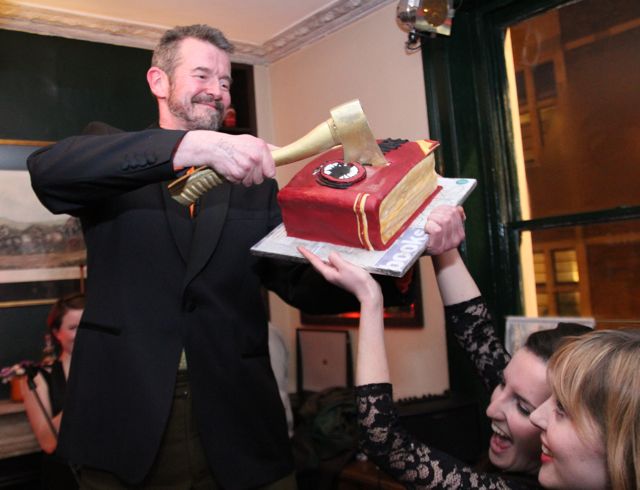
The Omnivore is a website that rounds up reviews, bringing readers a cross section of critical opinion. Currently, they are running a Shortlist of nominations for 2013’s best “hatchet job.”

Last year, Adam Mars-Jones won for his review of By Nightfall by Michael Cunningham.

hatchet

As the Manifesto on the website states: “[The Hatchet Job of the Year 1012 award] rewarded honesty, wit and good writing. It condemned mediocrity, sycophancy and lazy adjectives. It put the reader first.” Furthermore, it wasn’t just about being snarky and clever: “But this is not just about wielding the axe. Our guiding philosophy is compassionate criticism.”

And so, on the site, they list the contenders for this year’s Hatch Job. Among the contenders, a review about a biography of Hitler, a book by Martin Amis, a sequel to Treasure Island, and a “poetic novel” about mankind. Each of the reviews on the shortlist is scathingly honest, and even if you don’t agree with the reviewer, you have to admire the conviction within the review.

But I write about this because the reviews are excellent guidelines for writers: What Not to Do!

Read the reviews and see the concerns of the reviewers. How has each book failed? What traps might you best avoid? For example, Allan Massie reviews The Divine Comedy by Craig Raine. Here is an excellent criticism:

“Nevertheless some of the writing is very bad. Example: ‘He watched Rysiek’s brown lips move deliberately in his carefully trimmed beard, as if his mouth knew how handsome it was.’ You might be pleased for a moment to have written that sentence. Then you would read it again, and strike it out. Raine left it in.”

That’s called “slaying your darlings.” I’ve written about that before. When you edit your work, as you must once the first draft is complete, you should seek out those “darlings” you created, those lines that sing of your great creativity. If they sing to you, then they’ll stand out in the novel, and not in a positive way. They will likely intrude on the reader’s experience of story. For that reason, you must annihilate them. Never should the author intrude on the story.

Then there is this criticism from Craig Brown’s review of the Odd Couple by Richard Bradford:

“IMAGINE that we had all trooped into Skyfall to find it a mish-mash of all the old James Bond movies, with a couple of freshly shot scenes, and the producers had just trusted we wouldn’t spot it.”

It’s true that every story has been told, but that’s no excuse for lazy or sloppy writing. Tell the story anew. Don’t simply rehash what has come before and hope that the reader won’t notice.

Richard Evans is harsh about Hitler: A Short Biography by A. N. Wilson:

“It would take more space than is available here to list all the mistakes in the book. Most obvious are the simple factual errors. The ‘Aryan race’ in Nazi ideology was not ‘the Eurasian race’; it did not include ‘Slavs’, ‘Latins’ or ‘Celts’. … Wilson purveys many hoary myths long since discredited by historical research.”

When you are writing, whether fiction or non-fiction, do in-depth research. Don’t assume ignorance on the part of your readers. I once had a writer decline to work with me because I told her that “historical fiction” did not mean that she could change the names of historical figures “just because.” If you’re going to write about the  54th Massachusetts Volunteer Infantry, you must name the commanding officer Colonel Robert Shaw. He is a well-known figure from history. You can’t change the known facts. If you want a different officer, you can certainly invent him, but you can’t change the commander. She was rather indignant with me and wrote, “Ann, perhaps you don’t understand, this is historical FICTION and I can do anything I want.” I sincerely believe she simply hadn’t done her research, and didn’t want to take the trouble to do so. Needless to say, we parted ways.

I suggest you read these “hatchet job” reviews now and take notes. Further, I suggest that you make it a habit to read reviews on a regular basis, to see both the good and the bad in writing, and to gauge what readers want in their books these days.

Libraries Around the World

While editing a book recently, I came across a reference to the Library at Alexandria. So, I looked it up. It must have been magnificent.

LIBRARY-OF-ALEXANDRIA

This led me to looking up other libraries in the world, such as this, at Trinity College, Dublin.

trinity-college-library-university-of-dublin

And this, the University of Salamanca Library, in Salamanca, Spain.

library2

And then, I came across this, El BiblioBurro in Colombia:

Biblioburro

I found the image on the Polis blog, and was thoroughly enchanted by the human drive for knowledge and entertainment. According to the blogger, Natalie Echeverri, “Luis Soriano, the creator of this mobile library, travels every weekend eight hours and up to 11 kilometers in the most remote landscapes of rural Colombia. His goal is to fight what he calls ‘the farmers’ ignorance.”

Throughout much of the world, ornate libraries such as those above are simply not possible. In these countries, the mobile library is still king. Here are a few more images from Polis blog:

A bookmobile bus in Chile:

EXPo Museos 005

A camel library in Kenya:

camellibrary

camel-books

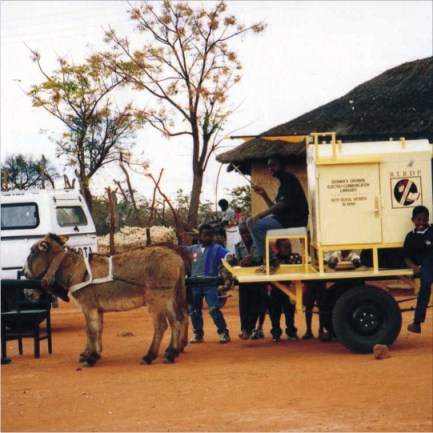
And a donkey library in Zimbabwe:

donkey cart

These folks can’t just order books with a click on Amazon. Nor can they choose from a library of thousands of volumes, but have to make do with what is available to them. I remember reading all of the juvenile fiction books in the library on the Army post at Fort Carson when I was in fifth grade. Once I’d finished reading every book, I started the cycle over. Today, that isn’t a problem: bookstores abound, and any volume I can dream of seems to be available somewhere on the internet.

What heaven such digital access might be to these folks. Ah, but what joy, also, to get a new book in your hands and curl up to read it!

Lao_schoolgirls_reading_books

If you have books that you no longer want or need, I ran across this website, Books for Third World Countries, a not-for-profit organization that will send your books to other countries free of charge. Their goal is to promote literacy across the globe, one book at a time. If you have the books, why not open the world to a new reader?

Brazilian Portuguese Phonetics 101

fiat

Bom dia! (pronounced bohn jee-ah)

Welcome to Brazilian Portuguese Phonetics 101.

Today, we will learn about some of the basic letter sounds of Brazil.

Let us begin. When you see the word, say it aloud. Then (and only after you’ve first said it aloud), read the phonetic pronunciation. Ready? Begin:

dia         (jee-ah)

Haddad  (Ha-da-jee)

tia     (chee-ah)

tio    (chee-oh)

tijela (chee-gel-ah)

tok & stok   (tok-ee stoke-ee)

xicara   (shee-ca-ra)

carro   (ca-hoe)

caro (ca-row)

rio    (hee-oh)

correndo (co-hen-doo)

revista (hay-vista)

baixa (bye-cha)

grand   (gran-jee)

Outback (out-ee-bak-ee)

supraententemente (supra-en-dent-chee-men-chee) … yeah, that one’s a corker!

and a favorite of mine: x-burger (chee-burger)

Think you’ve got it now? Congratulations! Let’s try a couple of easy ones:

Ford   (For-gee)

noite   (noi-chee)

and last, but not least … Fiat    (Fia-chee)

And now, you should be able to speak flawless Brazilian Portuguese (well, you need vocabulary and grammar rules, but that’s the easy part!).